
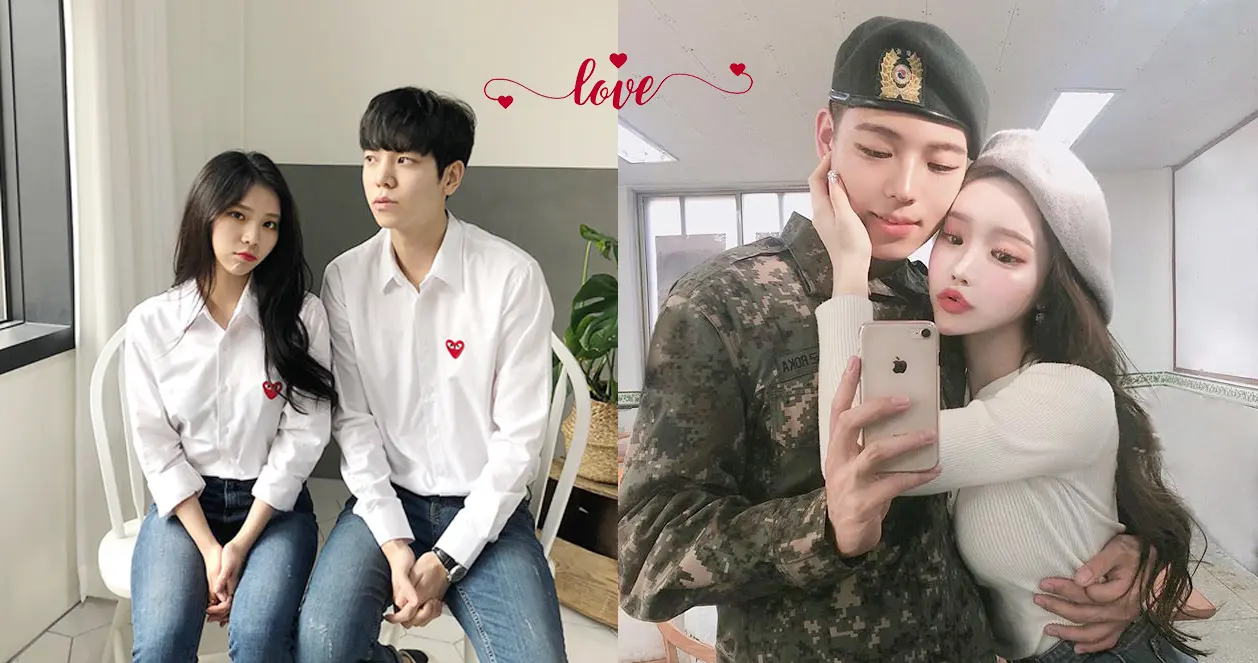
Understanding dating in Korean culture requires looking beyond romance itself and into the social framework that shapes relationships. In Korea, dating is closely tied to age, life stage, and societal expectations. For younger people, it often begins with group activities or introductions through friends, while in adulthood it becomes more connected to family approval and long‑term planning. Unlike many Western models, where dating can be casual and exploratory, Korean culture tends to view relationships as steps toward marriage, with clear milestones along the way.
Social expectations play a central role. Public displays of affection are more restrained, and couples often mark anniversaries with symbolic gestures, such as exchanging gifts or celebrating “100 days” together. These rituals reinforce commitment and highlight the seriousness of the relationship. At the same time, the influence of family and community remains strong, meaning that dating is rarely seen as a purely individual choice.
Another distinction lies in the emphasis on stability and responsibility. Men and women are often expected to demonstrate readiness for partnership through career progress or personal maturity. This creates a dynamic where dating is not only about attraction but also about proving compatibility for future life together. Ultimately, Korean dating culture reflects a balance between personal feelings and collective expectations. It is a structured process that values emotional connection while aligning with social norms. Communities such as a secure dating site often highlight these cultural nuances, helping people navigate relationships with awareness of both tradition and modern change.
When looking at Korean dating explained through the lens of social norms, it becomes clear that relationships in Korea are strongly influenced by collective thinking and public opinion. Unlike in many Western contexts, where dating is often seen as a private matter, Korean society places significant weight on how a couple’s behavior is perceived by family, peers, and the wider community.
Respect and restraint are central values. Couples are expected to maintain a balance between affection and modesty, especially in public spaces. This emphasis on self‑control reflects the cultural importance of harmony and avoiding actions that might draw negative attention. As a result, the pace of relationship development is often shaped not only by personal feelings but also by the expectations of the social environment.
Collective influence also extends to communication styles. Partners may adopt more formal or considerate language, showing attentiveness to each other’s dignity. The presence of friends or family in early stages of dating reinforces the idea that relationships are part of a broader social fabric rather than an isolated choice. Ultimately, Korean dating culture demonstrates how social norms guide emotional expression and relationship progression. By aligning with community expectations, couples create stability and mutual respect, ensuring that their bond develops in a way that feels both authentic and socially accepted.
Korean relationship traditions and expectations
Exploring Korean relationship traditions reveals how cultural practices shape expectations between partners. From the earliest stages, seriousness of intent is often implied, reflecting the collective view that dating is a pathway toward marriage rather than casual exploration. This perspective influences how roles of men and women are understood and expressed.
Traditionally, men were expected to demonstrate responsibility and stability, while women often embodied care and emotional support. Although modern dynamics are shifting, these underlying expectations still influence behavior. For example, financial readiness or career progress may be seen as indicators of a man’s suitability, while attentiveness and loyalty are valued traits in women. Rituals also play a significant role. Celebrating milestones such as the “100 days” anniversary or exchanging symbolic gifts reinforces the idea of commitment. These traditions highlight that relationships are not only personal but also social, with families and communities often involved in shaping perceptions of compatibility.
The seriousness of intentions is visible in the pace of dating. Couples may quickly move toward discussing future plans, signaling that emotional investment is tied to long‑term vision. This differs from many Western contexts, where casual dating can last for extended periods without clear expectations. Ultimately, Korean relationship traditions emphasize respect, responsibility, and commitment. They create a framework where emotional closeness is balanced with cultural norms, ensuring that relationships develop with both authenticity and social approval.
Dating culture Korea and communication style
Analyzing dating culture Korea reveals that communication in relationships is often shaped by indirect signals and subtle non‑verbal cues. Unlike Western styles, where directness is valued, Korean couples tend to rely on gestures, tone, and shared context to express emotions. This indirect approach reflects a cultural emphasis on harmony and respect, where avoiding confrontation is seen as a way to preserve closeness. Key features of Korean communication style in dating:
- Indirect signals — emotions are often conveyed through actions (small gifts, attentive gestures) rather than explicit words.
- Non‑verbal cues — eye contact, pauses, and body language carry significant meaning, sometimes more than spoken dialogue.
- Avoidance of conflict — disagreements are softened or postponed to maintain harmony, reducing tension in the relationship.
- Respectful language — honorifics and polite expressions are used even in intimate settings, reinforcing dignity and care.
- Collective influence — communication is shaped by awareness of social perception, ensuring that interactions remain considerate and balanced.
This style of interaction creates a dynamic where emotional depth is expressed subtly, and stability is maintained through restraint. While it may appear reserved, it fosters trust and long‑term attachment by prioritizing respect over impulsive reactions. Communities such as the ukrainian women dating service often highlight these cultural nuances, showing how communication styles reflect broader values of harmony and mutual consideration.
Korean dating habits in everyday life
Exploring Korean dating habits shows how everyday routines and social obligations shape the rhythm of relationships, according to https://wisedate.net/. Dating is rarely separated from the realities of work schedules, family duties, and collective expectations. Couples often adapt their meetings to fit within structured daily lives, which makes regularity and attentiveness especially important. Key everyday habits in Korean dating:
- Time management — busy work schedules mean that dates are often planned carefully, with evenings and weekends prioritized.
- Regular check‑ins — messaging throughout the day is common, reinforcing emotional closeness even when face‑to‑face meetings are limited.
- Attention to detail — small gestures, such as remembering anniversaries or favorite foods, carry significant weight in showing care.
- Balancing obligations — family expectations and social commitments influence when and how couples meet, requiring flexibility.
- Consistency — maintaining a steady rhythm of interaction is seen as proof of seriousness and reliability in the relationship.
These habits highlight that dating in Korea is not only about romance but also about integrating affection into everyday life. Regularity and attentiveness ensure that relationships feel stable and valued, even within the pressures of modern schedules.
Korean relationship psychology and emotional restraint
Exploring Korean relationship psychology highlights the importance of emotional restraint as a marker of maturity. In Korean culture, relationships are often guided by the belief that measured emotions reflect stability and reliability. Rather than dramatic displays of affection, partners are expected to show care through consistency, attentiveness, and subtle gestures.
Emotional restraint is not about suppressing feelings but about expressing them in a way that maintains harmony. Calm reactions during disagreements, patience in communication, and respect for boundaries are seen as signs of emotional intelligence. This approach helps couples avoid unnecessary conflict and build trust gradually.
Trust in Korean relationships is formed step by step. Small acts of reliability — keeping promises, showing up on time, remembering important details — accumulate into a sense of security. Over time, this steady presence becomes more meaningful than impulsive declarations of love. Ultimately, emotional restraint strengthens the foundation of intimacy. It signals maturity, ensures stability, and allows trust to grow naturally. In this way, Korean relationship psychology demonstrates that lasting bonds are built not on intensity but on balance and gradual emotional investment.
Dating customs Korea in long-term perspective
Exploring dating customs Korea in a long‑term perspective shows how everyday practices gradually transform into stable unions. Dating is rarely viewed as a temporary stage; instead, it is understood as the foundation for future family life. This cultural approach emphasizes continuity, responsibility, and the integration of personal feelings with social expectations. Key customs that shape long‑term relationships include:
- Milestone celebrations — anniversaries such as “100 days” or yearly markers reinforce commitment and signal seriousness.
- Gift‑giving rituals — symbolic exchanges highlight attentiveness and strengthen emotional bonds.
- Family involvement — introductions to parents or relatives often occur earlier than in Western cultures, reflecting the importance of collective approval.
- Shared routines — couples gradually align daily habits, from meal times to leisure activities, creating a sense of stability.
- Future orientation — discussions about marriage, career, and financial readiness emerge naturally, showing that dating is linked to life planning.
These customs illustrate how Korean dating culture blends romance with structure. Emotional closeness is nurtured through rituals and consistency, while social norms guide the transition from dating to partnership. The result is a holistic model where relationships are expected to evolve into lasting unions, balancing personal affection with cultural tradition.
Also worth reading: Dating rules people follow even if they don’t admit it
How do South Koreans typically meet, and how does the "some" stage work?
While dating apps have grown popular among younger generations, the standard introduction method in South Korea remains the sogaeting (blind date arranged through a trusted mutual friend or colleague). Meeting through a mutual connection provides a social guarantee of background, career stability, and character.
Before officially becoming a couple, Korean singles navigate an ambiguous pre-dating phase called some (derived from the English phrase "something between us"). During this period, two people text frequently, go on one-on-one dates, and test mutual chemistry without formal exclusivity. To transition out of some, an explicit verbal confession (gobaek) is culturally required: one person must directly ask, "Do you want to go out with me?" In Korean dating norms, a relationship does not officially exist until this clear declaration takes place.
What are the communication expectations and texting habits in Korean dating?
South Korean dating culture involves intense, near-constant digital communication via KakaoTalk. Unlike Western dynamics where replying hours later is normal or even seen as playing it cool, Koreans expect rapid, frequent updates throughout the day:
Daily check-ins as basic manners. Partners regularly text when they wake up, report what they ate for lunch, announce when they leave the office, and say goodnight. Going several hours without a message without prior warning is often interpreted as emotional distance or disrespect.
Fast response times. Timely replies signal romantic enthusiasm and consideration. Leaving messages unread for long periods disrupts the rhythm of connection and can quickly trigger anxiety or conflict.
Expressive digital affection. The heavy use of KakaoTalk emojis, character stickers, and voice notes is a standard way to express warmth and affection, especially early on before physical intimacy is established.
What unique couple traditions and milestone celebrations define Korean relationships?
Korean relationship culture places high value on public displays of couple identity and celebratory milestones:
The 100-day countdown system. Instead of waiting for an annual anniversary, Korean couples celebrate day-count milestones: the 100th, 200th, 300th, and 1,000th days since their official confession date. These milestones are marked with romantic dinners, gift exchanges, and curated photo shoots.
Matching couple culture. Wearing matching outfits (couple looks), identical sneakers, coordinated phone cases, and couple rings (keopeul-ring)—typically exchanged around the 100-day mark—serves as an open, proud declaration of exclusivity and commitment.
Commercial couple holidays. In addition to Valentine's Day (when women give chocolates to men) and White Day on March 14 (when men reciprocate with candies or gifts), couples celebrate unofficial monthly milestones on the 14th of every month, such as Rose Day in May or Hug Day in December.
What are the boundaries around physical affection and public behavior in Korea?
South Korean dating etiquette draws a sharp distinction between coordinated public affection and overt physical touch:
Modesty in public displays of affection. While holding hands, linking arms, and wearing matching clothing are widely celebrated, intense physical contact like passionate kissing, prolonged caressing, or groping in public spaces is considered inappropriate and disrespectful, especially in the presence of elders.
Privacy and parental homes. Because many young Koreans live with their parents until marriage due to high metropolitan housing costs, couples rely heavily on third spaces for privacy. Date courses often revolve around boutique cafés, movie rooms (DVD bangs), karaoke rooms (noraebangs), and themed staycation hotels.
While casual dating can be individualistic, transitioning into marriage (gyeolhon) remains a formal alliance between two family units. Confucian values and social prestige continue to influence marital choices:
Parental blessings are essential. Meeting the parents (sang-gyeon-rye) is a formal milestone that usually happens only when a couple is serious about wedding plans. Parents scrutinize an prospective partner's educational background, family stability, and career standing. An outright refusal of parental approval can bring even deeply committed relationships to an end.
Financial and logistical expectations. Marriage planning involves explicit conversations about practical resources: securing housing, wedding ceremony expenses, and gift exchanges (yedan and yemul). While modern couples increasingly aim for equal financial contributions, practical readiness and socioeconomic alignment remain foundational requirements for marriage.