
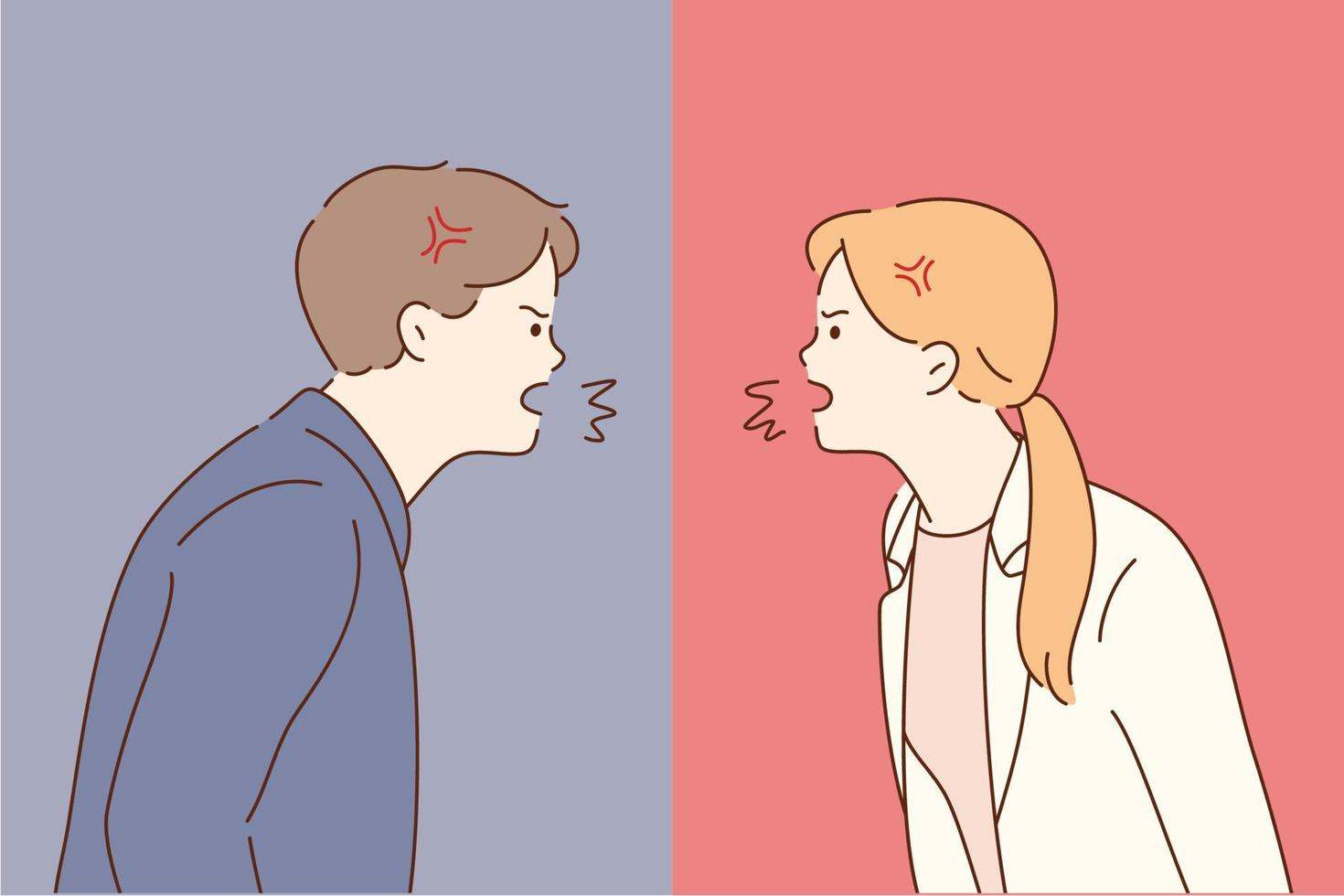
In most cases, relationships do not collapse because of dramatic conflicts or sudden betrayals. Instead, small things destroy relationships gradually, through repeated patterns that seem insignificant at first but accumulate over time. Everyday habits—such as dismissive comments, lack of attentiveness, or failing to follow through on promises—can quietly erode trust and intimacy.
The danger lies in their subtlety. A single forgotten message or minor criticism on free European dating services may not feel damaging, but when these behaviors repeat, they create emotional distance. Over weeks and months, partners begin to feel undervalued or unheard, even if no major argument has taken place. This slow erosion is often harder to recognize than a visible conflict, which makes it more dangerous. Early awareness is crucial. By noticing these small signals—tone of voice, consistency in actions, or attentiveness to needs—partners can address issues before they grow into resentment. Honest communication and small corrections in behavior often prevent larger breakdowns.
— Communities such as a genuine singles club emphasize the importance of recognizing these subtle dynamics. They encourage members to pay attention not only to grand gestures but also to everyday interactions, since these define the long-term health of a relationship. The conclusion is clear: relationships are built or broken in the details. Small, repeated actions shape emotional security, and ignoring them can quietly destroy even the strongest bonds. Recognizing and addressing them early is the foundation of lasting connection.
Relationship mistakes explained through daily behavior
In many cases, relationships weaken not because of dramatic conflicts but due to subtle, everyday missteps. Relationship mistakes explained through daily behavior show how small patterns can gradually erode trust and intimacy. These mistakes are often unconscious, which makes them harder to notice and correct.
One of the most common issues is inattentiveness. When a partner consistently overlooks small details—forgetting to ask about the other’s day, failing to respond to messages, or ignoring emotional cues—it creates a sense of neglect. Over time, this lack of attentiveness signals disinterest, even if it was never intentional. Another frequent mistake is devaluing. This can appear in dismissive comments, sarcasm, or minimizing achievements. While such remarks may seem harmless in the moment, repeated instances undermine respect and make the other partner feel unappreciated. Trust, once weakened, becomes difficult to rebuild.
The danger lies in the fact that these behaviors are often automatic. People may not realize how their tone, habits, or lack of consistency affect the relationship. Because they are subtle, they accumulate quietly until the emotional distance becomes visible. The conclusion is clear: daily behavior shapes the foundation of a relationship. Recognizing and correcting small mistakes early prevents them from growing into larger problems. Awareness, attentiveness, and respect are essential to maintaining trust and ensuring that minor missteps do not quietly destroy the bond.
Dating habits that harm love over time
In relationships, damage rarely comes from one dramatic event. More often, dating habits that harm love appear gradually, hidden in everyday routines. These patterns may seem harmless at first, but over time they weaken intimacy and trust, leaving partners feeling disconnected. Key harmful habits include:
- Lack of initiative — when one partner consistently avoids planning or showing effort, the relationship begins to feel one-sided.
- Emotional detachment — failing to share feelings or avoiding deeper conversations creates distance that grows silently.
- Routine neglect — ignoring small gestures of care, such as checking in or expressing appreciation, erodes closeness.
- Passive communication — relying on vague words instead of clear dialogue leads to misunderstandings and frustration.
- Avoidance of growth — resisting change or refusing to address issues prevents the relationship from evolving.
The harm of these habits is subtle because it does not appear immediately. At first, partners may dismiss them as minor flaws, but repetition transforms them into patterns that undermine trust and affection. Over months or years, the absence of initiative or emotional presence becomes more damaging than any single conflict. The conclusion is clear: love is sustained by consistent effort and emotional engagement. When harmful habits go unnoticed, they slowly weaken the bond. Recognizing and correcting them early ensures that intimacy remains strong and the relationship continues to grow.
Subtle relationship killers and emotional distance
In many relationships, damage does not come from open conflict but from hidden behaviors that gradually erode intimacy. Subtle relationship killers are especially dangerous because they create emotional distance without being immediately recognized. Unlike visible arguments, these patterns operate quietly, making them harder to confront.
Sarcasm is one of the most common subtle killers. While it may seem playful, repeated sarcastic remarks often undermine respect and leave a partner feeling belittled. Ignoring is another destructive habit—when one partner consistently dismisses the other’s needs or avoids meaningful conversation, it signals disinterest and weakens trust. Passive aggression, expressed through silence, indirect criticism, or withholding affection, is equally harmful. These behaviors do not resolve tension but instead deepen emotional gaps. The danger lies in their invisibility. Because subtle killers are disguised as everyday habits, partners may not realize their impact until the relationship feels distant and disconnected. Over time, the accumulation of sarcasm, neglect, and passive aggression becomes more damaging than a single open conflict, since unresolved issues quietly build resentment.
Communities such as a Russian speaking women dating club often emphasize the importance of recognizing these hidden dynamics. They encourage members to pay attention not only to major disagreements but also to the small, recurring behaviors that shape emotional closeness. The conclusion is clear: subtle killers are more dangerous than open arguments because they erode intimacy silently. Awareness and honest communication are the only ways to prevent emotional distance from becoming permanent.
Everyday actions ruin relationships gradually
In relationships, damage rarely comes from dramatic arguments. More often, everyday actions ruin relationships quietly, shaping the emotional background over time. It is not the occasional conflict that weakens intimacy, but the repeated neglect of small gestures and consistent inattentiveness. Key everyday actions that gradually erode closeness include:
- Ignoring emotional needs — failing to listen or dismissing feelings creates a sense of disconnection.
- Lack of appreciation — when gratitude and recognition are absent, partners begin to feel undervalued.
- Routine neglect — forgetting small acts of care, such as checking in or showing affection, weakens trust.
- Inconsistent communication — irregular responses or avoidance of meaningful dialogue build distance.
- Taking presence for granted — assuming the partner will always be there without effort reduces emotional engagement.
The danger of these actions lies in repetition. A single oversight may not harm the relationship, but when neglect becomes a pattern, it slowly undermines intimacy. Over time, partners feel less connected, even if no major conflict has occurred. The conclusion is clear: relationships are shaped by the everyday. Small, consistent behaviors form the emotional foundation, and when they are negative or absent, they gradually destroy closeness. Recognizing these patterns early allows partners to correct them before the bond weakens beyond repair.
Relationship psychology damage explained
In relationships, the most destructive forces are often psychological rather than external. Relationship psychology damage occurs when disappointment and loss of trust accumulate quietly over time. At first, partners may dismiss small frustrations or overlook subtle neglect, but repeated experiences gradually reshape emotional perception. What once felt secure begins to feel uncertain, and intimacy weakens.
Disappointment builds when expectations are consistently unmet. A partner who promises but fails to deliver, or who shows little attentiveness, creates a gap between words and actions. This gap erodes confidence and makes the other person feel undervalued. Trust, once shaken, rarely disappears instantly—it fades slowly, replaced by doubt and emotional distance. The danger lies in timing. Damage often becomes visible only when it is already advanced. Because the process is gradual, partners may not recognize the warning signs until resentment has taken root. By then, communication feels strained, and even small conflicts trigger disproportionate reactions.
Psychological damage is therefore more dangerous than occasional arguments. While a single fight can be resolved, repeated patterns of neglect, avoidance, or broken promises create lasting wounds. The relationship begins to operate on a foundation of insecurity rather than trust. The conclusion is clear: relationships are not destroyed overnight. They weaken through the slow accumulation of disappointment and mistrust. Recognizing these mechanisms early allows partners to intervene before the damage becomes irreversible.
Dating advice avoid mistakes before it’s late
In relationships, prevention is always easier than repair. Dating advice avoid mistakes focuses on recognizing small destructive patterns before they accumulate into serious damage. The third date and the period that follows are especially important, as clarity and consistency begin to shape the future of the bond. Practical recommendations include:
- Practice awareness — pay attention to everyday habits, tone of voice, and consistency in actions. Small signals often reveal more than big gestures.
- Communicate openly — honest dialogue reduces uncertainty. Sharing feelings and expectations early prevents misunderstandings from growing.
- Show initiative — planning meetings, sending thoughtful messages, and demonstrating effort signal genuine interest and commitment.
- Value emotional presence — being attentive, listening carefully, and responding with empathy strengthen trust and intimacy.
- Correct mistakes quickly — when neglect or missteps occur, addressing them immediately prevents resentment from building.
- Observe actions, not just words — behavior after the third date is the clearest indicator of intent. Consistency matters more than promises.
The conclusion is clear: relationships are sustained by awareness, dialogue, and effort. By noticing small destructive habits early and correcting them, partners protect intimacy and ensure that love grows instead of fading. Avoiding mistakes before it’s late is not about perfection—it is about attentiveness and responsibility in everyday connection.
Also worth reading: Playing hard to get: does it really work