
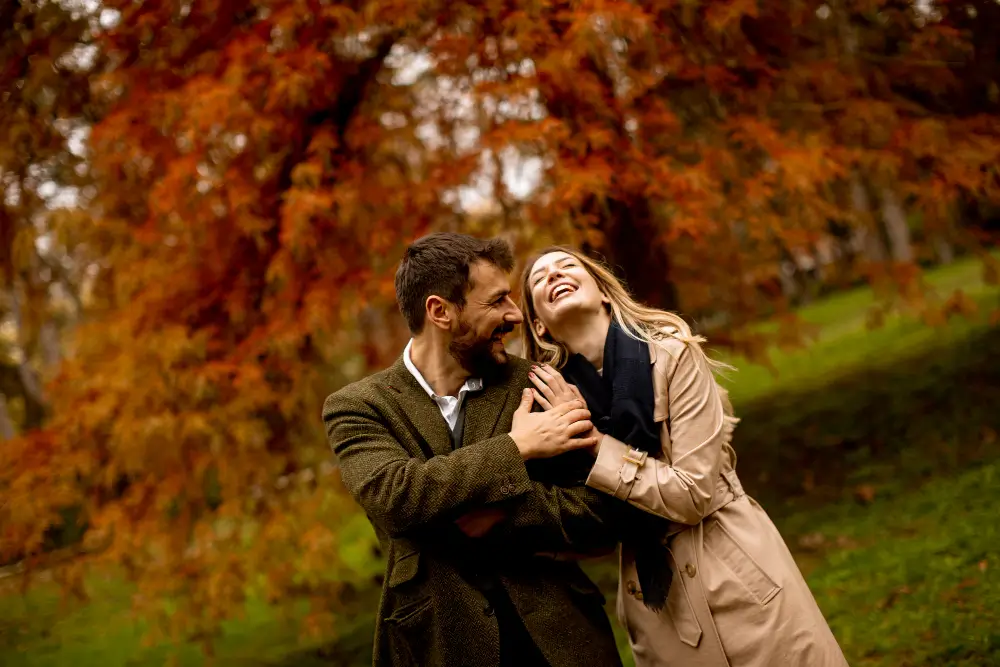
Exploring how people fall in love reveals that the process rarely begins with overwhelming emotions. Instead, it starts with curiosity, light sympathy, and a sense of psychological comfort. The first spark often comes from noticing something intriguing in another person — a gesture, a tone of voice, or the way they engage in conversation. This initial interest gradually evolves into deeper attraction when it is supported by emotional presence and mutual respect.
Love grows step by step. At the beginning, people are drawn to each other through small signals of attention and openness. These moments create a safe atmosphere where trust can develop. Emotional comfort plays a decisive role: when interaction feels natural and non‑threatening, curiosity turns into genuine affection. Over time, this foundation allows stronger feelings to emerge, proving that love is not born from intensity but from gradual connection. Communities such as a real matchmaking service often highlight this principle, showing that successful relationships are built on the progression from initial interest to deeper emotional bonds. By valuing curiosity, comfort, and sincerity, people create the conditions where attraction can transform into lasting love.
Stages of falling in love and emotional shifts
Exploring the stages of falling in love shows that attraction develops gradually, moving from surface impressions to deeper emotional bonds. At the beginning, people often notice external traits — appearance, voice, or gestures — which spark curiosity and light sympathy. As interaction continues, perception shifts toward inner qualities such as reliability, attentiveness, and emotional presence. This transition marks the move from initial interest to genuine affection.
Emotional shifts are a natural part of this process. Feelings may fluctuate between excitement, doubt, and comfort, reflecting the complexity of human connection. These changes should not be seen as instability but as evidence of growth. Each stage brings new insights into the partner’s personality, allowing attraction to evolve into trust and intimacy. Over time, the relationship dynamic becomes more stable, as emotional highs and lows balance into a deeper sense of closeness. Recognizing that such fluctuations are normal helps partners embrace the process without fear. Love, therefore, is not a sudden leap but a gradual journey, where emotional shifts guide the way from curiosity to lasting connection.
Exploring love step by step with https://wisedate.net/ through shared experience shows that emotional closeness is rarely the result of sudden intensity. Instead, it grows gradually as people spend time together, exchange impressions, and build common memories. Regular interaction — whether through conversations, activities, or small rituals — creates a rhythm that strengthens attachment naturally. Shared experiences accelerate connection because they provide a sense of “us.” When partners laugh at the same story, overcome challenges together, or simply enjoy everyday moments, they form emotional anchors that deepen trust. These anchors make the relationship feel stable and meaningful, allowing attraction to evolve into genuine affection.
The gradual nature of this process is essential. Love does not emerge from dramatic leaps but from the accumulation of small, consistent gestures. Each shared moment adds another layer of intimacy, proving that lasting bonds are built on authenticity and presence rather than sudden emotional surges. Over time, this steady progression transforms initial interest into enduring love.
Psychology of falling in love explained
Exploring the psychology of falling in love reveals how emotional bonds are shaped by subtle yet powerful psychological mechanisms. At the core lies the human need for safety and trust. When a person feels secure in another’s presence, the brain releases signals that reinforce attachment, making interaction more rewarding and comforting. Attention plays a decisive role. Small gestures — listening carefully, remembering details, or showing genuine curiosity — activate feelings of being valued. This attentiveness strengthens emotional availability, which is one of the most attractive qualities in long‑term relationships. Emotional openness reassures the partner that their feelings will be acknowledged and respected, creating a safe space for deeper connection.
Trust becomes the central element in this process. Without it, attraction remains fragile and short‑lived. With trust, however, emotional bonds grow stronger, because the brain associates the relationship with stability and positive reinforcement. Over time, this psychological foundation transforms initial interest into lasting love. Communities such as a russian speaking women dating site often emphasize these aspects, showing that successful connections are built not only on chemistry but on the psychological comfort created by safety, attention, and trust.
Emotional stages of love and attachment
Exploring the emotional stages of love reveals how closeness develops gradually, moving from curiosity to deep attachment. Each stage reflects a shift in perception and emotional intensity, showing that love is not a single moment but a process shaped by vulnerability and trust. Key emotional stages of love and attachment:
- Initial attraction: curiosity and light sympathy create the first spark.
- Growing comfort: regular interaction builds psychological safety and a sense of significance.
- Emotional openness: partners begin to share personal thoughts and feelings, deepening trust.
- Vulnerability: showing fears or insecurities strengthens the bond, as openness invites reciprocity.
- Attachment: emotional reliance and the feeling of importance in each other’s lives solidify the connection.
Vulnerability plays a decisive role in this journey. When partners allow themselves to be seen fully — with strengths and weaknesses — emotional intimacy intensifies. This openness reassures both sides that the relationship is authentic, making attachment stronger and more meaningful. Over time, these stages form a natural progression, proving that love is not about sudden intensity but about steady emotional growth. The ability to embrace vulnerability and mutual significance transforms attraction into lasting connection.
Relationship love development over time
Exploring relationship love development highlights how affection matures within the context of long‑term interaction. Unlike the intensity of early attraction, lasting love is built on stability, consistency, and emotional reliability. These qualities create a foundation where partners feel secure, allowing the bond to deepen naturally. Over time, love evolves through repeated gestures of care, shared routines, and mutual support. Stability reassures both sides that the relationship can withstand challenges, while consistency shows commitment beyond fleeting emotions. This gradual process transforms attraction into attachment, making the connection more resilient and meaningful.
Long‑term love is not about constant emotional highs but about the steady presence of trust and respect. When partners demonstrate reliability and openness, they cultivate a dynamic where affection grows stronger with each stage of life. Everyday actions — such as listening attentively, celebrating milestones together, or offering support in difficult times — reinforce the sense of partnership and continuity.
Another important aspect is adaptability. Relationships face changes over the years, and the ability to adjust while maintaining respect ensures that love remains strong. Emotional reliability becomes the anchor that helps partners navigate transitions, proving that affection is not diminished by challenges but strengthened through them. Ultimately, the development of love in relationships proves that enduring bonds are formed not by intensity but by the quiet strength of stability, patience, and emotional continuity. This steady growth transforms initial attraction into a lasting connection that can thrive across time.
How love grows into emotional bonding
Exploring how love grows into emotional bonding shows that attraction matures through trust, acceptance, and shared vulnerability. What begins as curiosity and sympathy gradually transforms into a deeper connection when partners feel safe to reveal themselves fully. Emotional bonding is not a sudden leap but the result of consistent openness and mutual respect. Key elements of emotional bonding in love:
- Trust: the assurance that one’s feelings and boundaries will be respected.
- Acceptance: recognition of each other’s individuality without attempts to change.
- Shared vulnerability: openness about fears and insecurities that strengthens intimacy.
- Consistency: repeated gestures of care and reliability that build long‑term stability.
- Mutual significance: the feeling of being valued and important in each other’s lives.
Together, these elements create a holistic understanding of how love develops over time. Emotional bonding is the stage where affection becomes enduring, supported by authenticity and emotional depth. It proves that love is not only about attraction but about the gradual formation of a secure and meaningful connection.
In real relationships, this process can be seen in everyday actions: remembering small details, offering support during challenges, or celebrating shared milestones. Each gesture reinforces the sense of being cared for and valued. Over months and years, these consistent behaviors transform initial attraction into a resilient emotional bond. Ultimately, love grows step by step, proving that lasting intimacy is built on patience, respect, and the willingness to nurture closeness over time.
Also worth reading: Arab dating culture: expectations and traditions
What psychological stages do people go through when falling in love step by step?
Falling in love follows a distinct psychological and neurochemical progression rather than happening all at once. The process typically begins with initial attraction and infatuation, driven by dopamine, phenylethylamine, and norepinephrine. During this phase, the brain's reward centers light up, creating obsessive thoughts, euphoric energy, and a tendency to overlook flaws. This is often termed the "halo effect," where the person is perceived through an idealized lens.
As the relationship moves past the initial spike, couples enter the reality and vulnerability phase. Here, cortisol and intense adrenaline drop, revealing each partner's quirks, personal limitations, and emotional habits. If the couple navigates early conflicts constructively and practices emotional vulnerability, the dynamic transitions into secure attachment and companionate love, regulated by oxytocin and vasopressin. In this final stage, excitement evolves into deep psychological safety, mutual trust, and long-term commitment.
Attraction can spark from physical appearance and casual conversation, but deep emotional bonding requires shared context and mutual emotional investment. When two people experience novelty, conquer challenges, or navigate unscripted situations together, their brains associate those heightened emotional states with each other.
Collaborative problem-solving. Overcoming minor stressors together—such as traveling, assembling furniture, or cooking an elaborate meal—tests patience, teamwork, and communication under pressure, building foundational trust.
Mutual vulnerability. Sharing personal memories, childhood stories, and real-world insecurities creates an emotional safe haven. When vulnerability is met with acceptance rather than judgment, emotional intimacy deepens rapidly.
Novel sensory environments. Trying unfamiliar activities together triggers dopamine release similar to early romantic infatuation, helping to anchor the feeling of adventure directly to the partner's presence.
What is the difference between infatuation, limerence, and mature emotional love?
Understanding these emotional states prevents people from mistaking short-term neurochemical highs for long-term relational compatibility:
Infatuation. A rapid, surface-level physical and emotional fascination. It is usually based on an idealized projection of who the person could be, focuses primarily on physical traits, and burns intensely before fading once daily routine sets in.
Limerence. An involuntary, obsessive psychological state characterized by intrusive thoughts about the person, an intense craving for emotional reciprocity, and acute anxiety over potential rejection. Limerence thrives on uncertainty and emotional distance rather than actual mutual connection.
Mature emotional love. A conscious, grounded commitment built on knowing and accepting someone's true character, including their imperfections. It provides emotional stability, calm nervous-system regulation, and consistent mutual care rather than erratic emotional highs and lows.
The transition from the honeymoon stage to stable attachment is where many relationships falter. As the initial chemical rush subsides, couples often misinterpret normal emotional calm as a loss of attraction. Navigating this shift requires recognizing that enduring love is an ongoing practice rather than a passive emotional state.
Couples must replace unconscious passion with intentional habits: developing healthy conflict-resolution rituals, supporting each other's individual autonomy, and aligning on long-term lifestyle values like finances, career ambitions, and family dynamics. Relationships that survive this shift do so because both partners learn to appreciate predictability and emotional security, finding romance in consistent daily reliability rather than constant dramatic highs.