
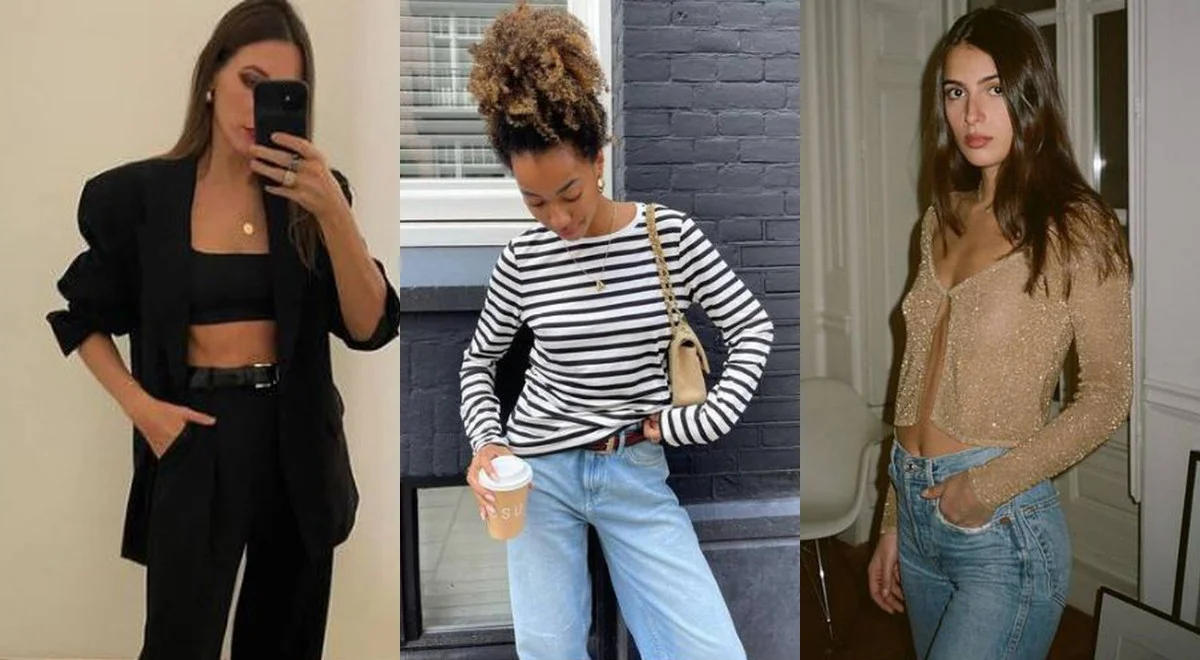
The question of what to wear first date often creates unnecessary stress, as many people try to impress through fashion rather than focusing on comfort and authenticity. The most effective approach is to choose clothing that reflects personal style and feels natural, instead of chasing trends or overanalyzing details. When attire is comfortable, confidence rises, and this inner state becomes more attractive than any designer label.
Clothing directly influences psychology: a relaxed outfit supports ease of communication, while overly formal or uncomfortable attire can create tension. For example, a simple shirt paired with well‑fitted jeans often conveys more sincerity than an extravagant look chosen only to impress. The goal is not to disguise personality but to highlight it through natural choices. Another important aspect is context. A casual café date calls for light, everyday wear, while a dinner in a more formal setting may require slightly polished attire. Yet even in these cases, authenticity remains the priority. Overthinking leads to artificiality, while natural alignment between clothing and personality fosters genuine connection.
The mindset of choosing clothes should be guided by self‑respect rather than external expectations. This approach ensures that the first impression is not about fashion performance but about real presence. Confidence in appearance is best supported by authenticity, and this principle is consistently emphasized by every verified dating service that values meaningful connections.
Comfortable first date outfit and emotional ease
Choosing a comfortable first date outfit is not simply about style; it is directly linked to emotional well‑being. Clothing that restricts movement or feels unnatural often amplifies tension, making it harder to focus on genuine interaction. Discomfort in attire can create constant distraction, pulling attention away from the conversation and toward physical unease. In contrast, when the body feels at ease, the mind follows, opening space for relaxed dialogue and authentic connection.
The psychology of clothing highlights that comfort enhances emotional stability. A person dressed in breathable fabrics and well‑fitted pieces is more likely to remain calm and attentive. For example, shoes that pinch or a jacket that feels too tight can subtly increase irritability, while soft textures and balanced fits encourage openness. Emotional ease is not achieved through fashion statements but through garments that support natural posture and confidence. Comfort also signals authenticity. An outfit chosen with self‑respect rather than external pressure communicates sincerity, which strengthens trust. This balance between physical comfort and emotional openness ensures that the first impression is shaped by presence rather than performance.
Ultimately, the connection between attire and emotional state demonstrates that clothing is more than appearance. It is a tool for creating the right atmosphere: when the body feels secure, the conversation flows freely, and closeness develops naturally. A comfortable choice becomes the silent ally of emotional ease, reinforcing the foundation for meaningful interaction.
Dating outfit tips that support natural confidence
Confidence on a first date is shaped less by extravagant fashion choices and more by authenticity. The most effective dating outfit tips emphasize simplicity, neatness, and alignment with personal style. When clothing reflects individuality, it naturally enhances self‑assurance. Overly complex looks may distract or feel artificial, while a clean, well‑balanced outfit communicates sincerity and stability. Five practical tips for building natural confidence through clothing:
- Prioritize simplicity — minimalistic combinations often appear stronger than layered or overly styled outfits.
- Focus on neatness — well‑kept clothing, polished shoes, and tidy details create a lasting impression of reliability.
- Match personal style — choosing garments that resonate with personality ensures comfort and authenticity.
- Adapt to context — aligning attire with the setting of the date shows attentiveness without losing individuality.
- Highlight one detail — a subtle accessory or color accent can add character without overwhelming the look.
These principles demonstrate that confidence is not about chasing trends but about presenting a genuine version of oneself. A natural style, supported by comfort and neatness, allows attention to remain on conversation rather than appearance. By following these guidelines, clothing becomes a tool for reinforcing inner stability and making the first impression both authentic and memorable. Moreover, this approach helps avoid the trap of overthinking, ensuring that the outfit supports rather than overshadows personality. When attire feels aligned with identity, confidence flows naturally, and the date becomes an opportunity for genuine connection rather than a performance.
First date clothing advice for different settings
Context plays a decisive role in shaping the right outfit choice, and effective first date clothing advice always begins with understanding the format of the meeting, according to wisedate.net. A casual coffee date requires relaxed attire that communicates ease, while a dinner in a fine restaurant calls for a more polished look. The setting, activity, and expected duration of the encounter all influence how clothing should be selected, ensuring that appearance supports rather than complicates the experience.
Disregarding context often leads to discomfort or mismatched expectations. For example, wearing overly formal clothes to a park walk may create unnecessary stiffness, while casual sneakers at a high‑end venue can feel out of place. Adapting the outfit to the environment reduces awkwardness and allows attention to remain on the conversation. This adjustment is not about strict rules but about sensitivity to atmosphere, which demonstrates thoughtfulness and balance.
Practicality is equally important. Long meetings or active dates benefit from breathable fabrics and shoes designed for comfort, while shorter, more formal encounters may allow for structured pieces that emphasize elegance. The aim is to align clothing with both the activity and personal style, creating harmony between appearance and behavior. Ultimately, thoughtful adaptation of attire helps eliminate pressure and sets the tone for natural interaction. It shows respect for the occasion while preserving authenticity, making the first impression both confident and genuine. This principle is consistently highlighted in communities such as the russian speaking women dating club, where attention to context is seen as a key element of meaningful connection.
Dressing for confidence rather than approval
The essence of dressing for confidence lies in choosing clothing that supports inner stability rather than chasing external validation. When attire is selected to meet imagined expectations, authenticity is compromised, and the result often feels forced. By contrast, garments chosen to enhance personal comfort and reflect individuality create a natural sense of assurance that is immediately visible in body language and tone of voice.
Psychological studies highlight that confidence is communicated non‑verbally long before words are spoken. Posture, gestures, and eye contact are all influenced by how secure a person feels in their clothing. For example, an outfit that fits well and allows free movement encourages openness, while restrictive or overly styled attire can generate self‑consciousness. This distinction explains why authenticity resonates more strongly than attempts to impress. The principle is simple: clothing should serve the wearer, not the audience. A well‑chosen outfit becomes an extension of personality, reinforcing sincerity and presence. When individuals dress to feel aligned with themselves, they project calmness and reliability, which are far more persuasive than any borrowed trend.
Ultimately, confidence is not about approval but about congruence between inner state and outward appearance. By prioritizing self‑respect in clothing choices, the first impression becomes genuine, and the interaction unfolds on a foundation of trust rather than performance. This approach transforms attire into a subtle yet powerful tool for building meaningful connection.
First date fashion as self-expression
Clothing on a first meeting is more than appearance; it is a language of values and personality. Effective choices in first date fashion communicate character without words, shaping impressions before conversation begins. Style becomes a subtle form of storytelling, revealing confidence, creativity, or simplicity depending on how it is expressed.
Self‑expression through clothing works because authenticity resonates more strongly than performance. When attire reflects genuine identity, it creates a sense of congruence between inner state and outward look. For example, someone who values minimalism may choose clean lines and neutral colors, signaling clarity and stability. Another person might prefer bold accents, projecting energy and openness. Both approaches succeed when they align with personality rather than borrowed trends.
Authenticity also strengthens the first impression. A natural style helps reduce tension, allowing attention to remain on dialogue instead of appearance. This balance between comfort and individuality ensures that clothing supports emotional ease while simultaneously highlighting uniqueness. The result is a presence that feels trustworthy and memorable. Ultimately, fashion on a first date is not about impressing through extravagance but about expressing identity in a way that feels true. When clothing reflects values and character, it becomes a silent ally in building connection, reinforcing sincerity, and setting the tone for meaningful interaction.
Dating style explained through first impressions
The impact of clothing on first impressions is immediate and often decisive. Effective dating style explained principles show that attire sets the tone for communication long before words are exchanged. A carefully chosen outfit conveys respect for the occasion, attentiveness to detail, and alignment with personal identity. This initial signal influences how interaction unfolds, shaping perceptions of sincerity, confidence, and openness.
Style functions as a silent introduction. A neat, balanced look communicates reliability, while an overly elaborate or mismatched outfit can create distance. For example, polished yet comfortable clothing suggests stability and ease, encouraging dialogue to flow naturally. Conversely, attire chosen solely to impress may appear artificial, undermining authenticity. The first impression is not about fashion performance but about congruence between appearance and personality. Clothing also frames expectations. A casual outfit in a relaxed setting signals approachability, while a refined look in a formal environment demonstrates adaptability. This sensitivity to context reduces awkwardness and ensures that attention remains on the conversation rather than potential mismatches.
Ultimately, style on a first date is a tool for shaping atmosphere. It reflects values, highlights individuality, and sets the emotional rhythm of the meeting. When authenticity guides choices, clothing becomes more than decoration — it becomes a subtle yet powerful element in building trust and establishing meaningful connection from the very first moment.
Also worth reading: Why a man chooses one woman over another